
Malawi Carbon Registry System (opens in a new tab)
mcrs.ead.gov.mw
The national carbon registry: Article 6 cooperative approaches, a tamper-evident ledger of carbon units, and public transparency.
e-Services
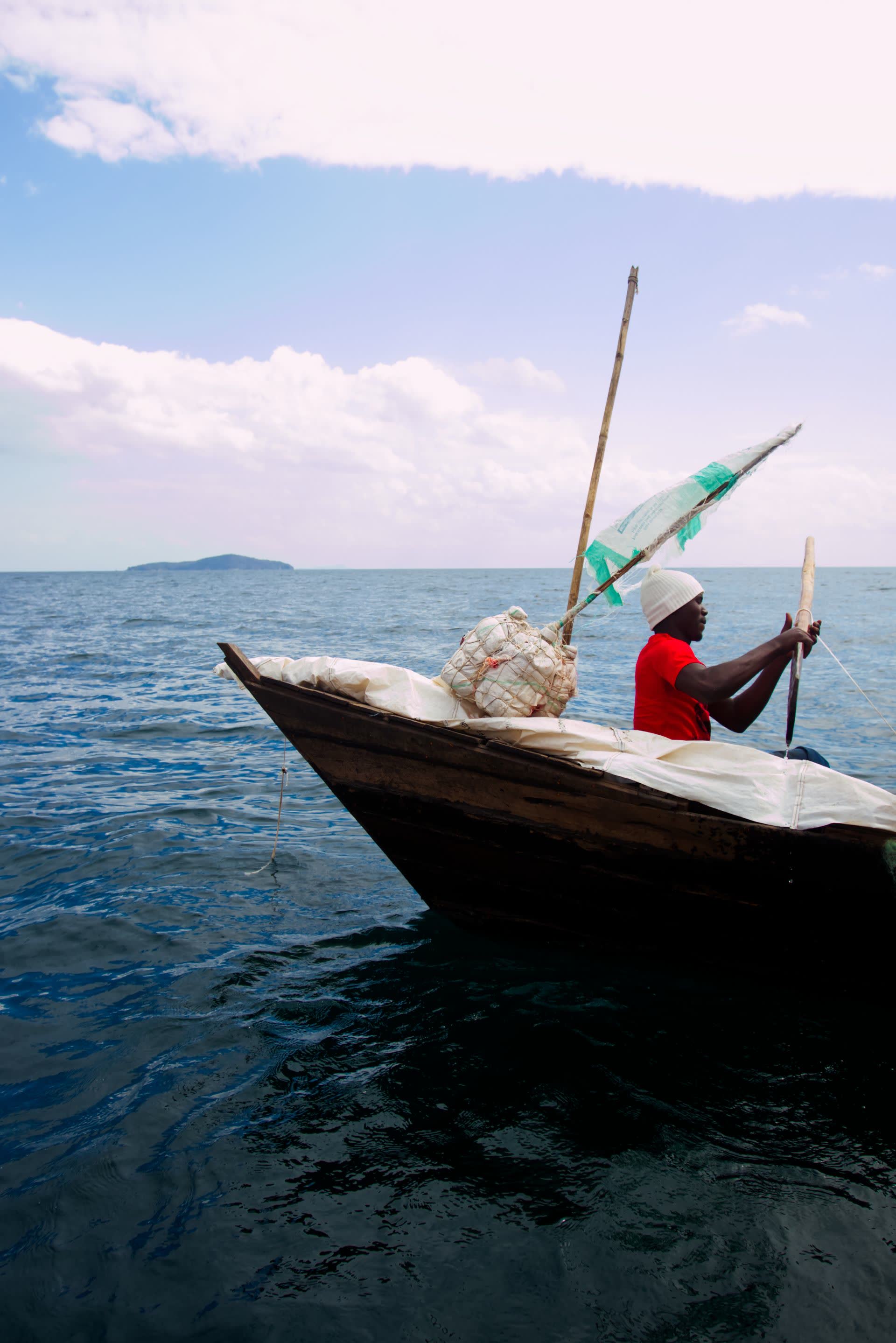
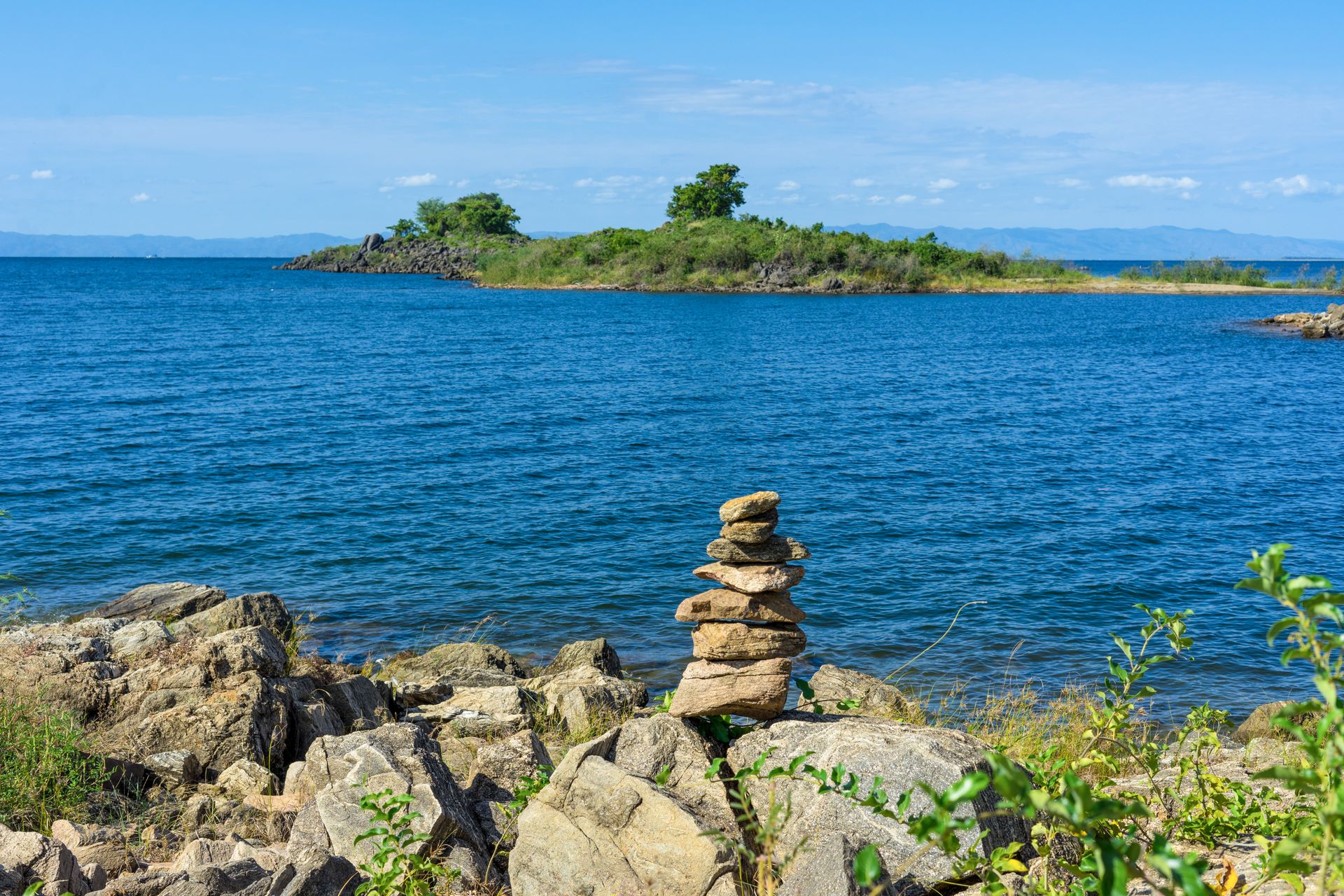
From Lake Malawi to the highlands, our natural resources support livelihoods, food security and the economy. EAD sets the policy direction that keeps them productive and protected.
Coordinating adaptation and mitigation across sectors, from national policy to district action.
Malawi’s focal point for the UNFCCC and other multilateral environmental agreements.
Tawonga Mbale-Luka
Director of Environmental Affairs
From the Director
The Government of Malawi sincerely appreciates the continued partnership and collaboration of all stakeholders in advancing Malawi’s climate action agenda.
With Malawi’s third Nationally Determined Contribution submitted, our work turns to delivering it: in every district, with every sector, and with the partners who stand with us.
e-Services
Register carbon projects, find environmental data and follow Malawi’s adaptation planning. Each service shows whether it is online right now.
mcrs.ead.gov.mw
The national carbon registry: Article 6 cooperative approaches, a tamper-evident ledger of carbon units, and public transparency.
cmo.ead.gov.mw
How Malawi takes part in carbon markets, and the rules every carbon project must follow.
nap.ead.gov.mw
Malawi’s adaptation planning and budgeting across sectors, with news and resources from the NAP process.
biodiversity.ead.gov.mw
Tracking Malawi’s progress on the Kunming-Montreal Global Biodiversity Framework, the SDGs and NBSAP III, with biodiversity indicators and trends.
paperless.ead.gov.mw
The department’s document store for carbon registry records. Sign-in for staff.
Climate action starts at home
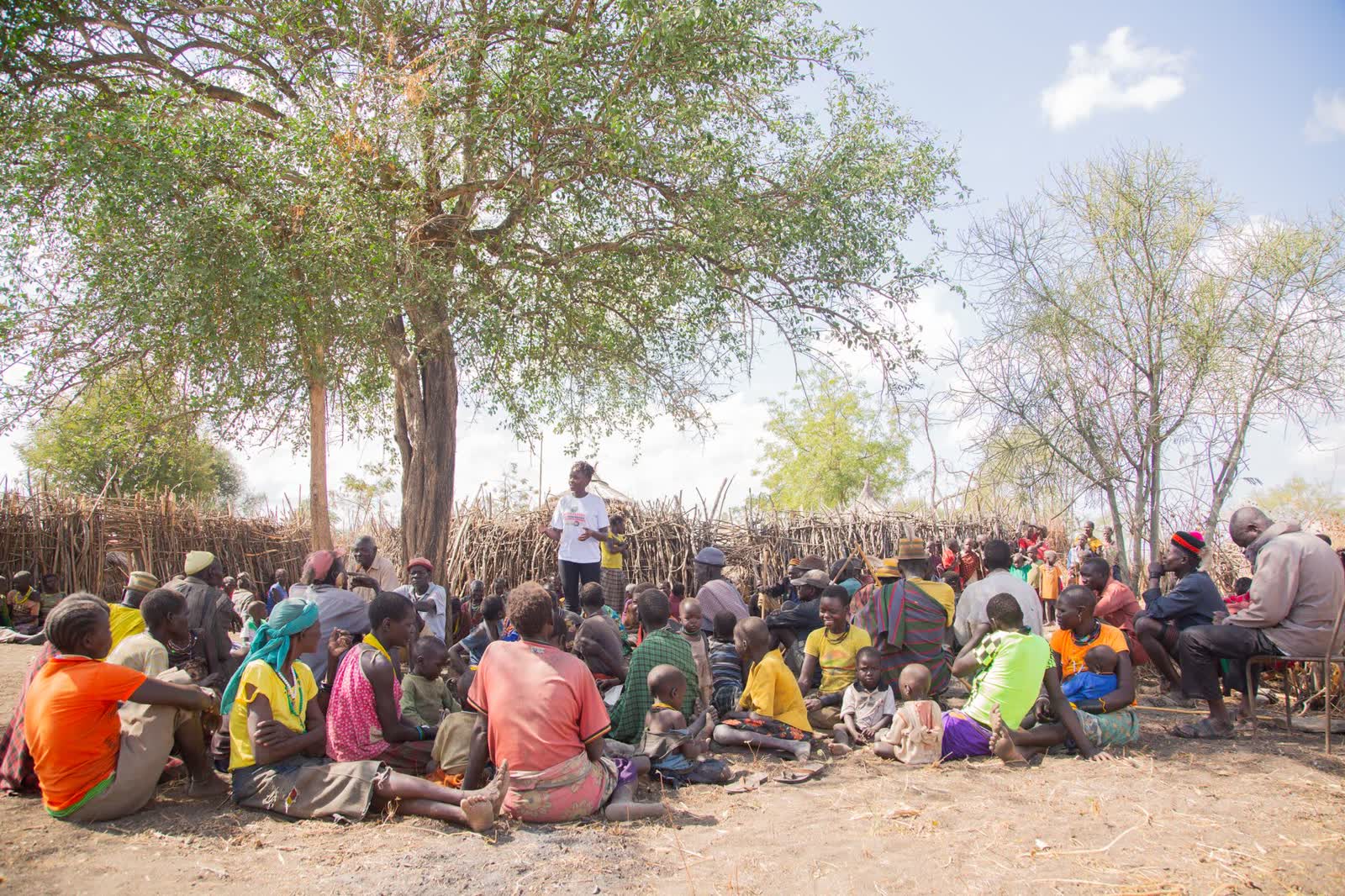
Working with district councils, communities, the private sector and development partners, we turn national commitments into action on the ground.
Explore our work
National climate policy, adaptation planning and the coordination of mitigation actions under Malawi’s NDC.
Oversight of carbon market participation, including authorisation and registry of mitigation outcomes.
The national greenhouse gas inventory and Malawi’s reporting under the Enhanced Transparency Framework.
Environmental education in schools and communities, and public awareness on climate and environment.
NDC 3.0 commits Malawi to cut emissions by up to 48% by 2035 with international support, and costs USD 7.06 billion to carry out.
Malawi’s first full assessment of its environment in 15 years looks at land, forests, water, air quality and biodiversity.
The assessment finds that forest cover fell from 47% in 1975 to 24% in 2020, and that 85% of Malawians rely directly on biodiversity.